Last updated 2026-08-19
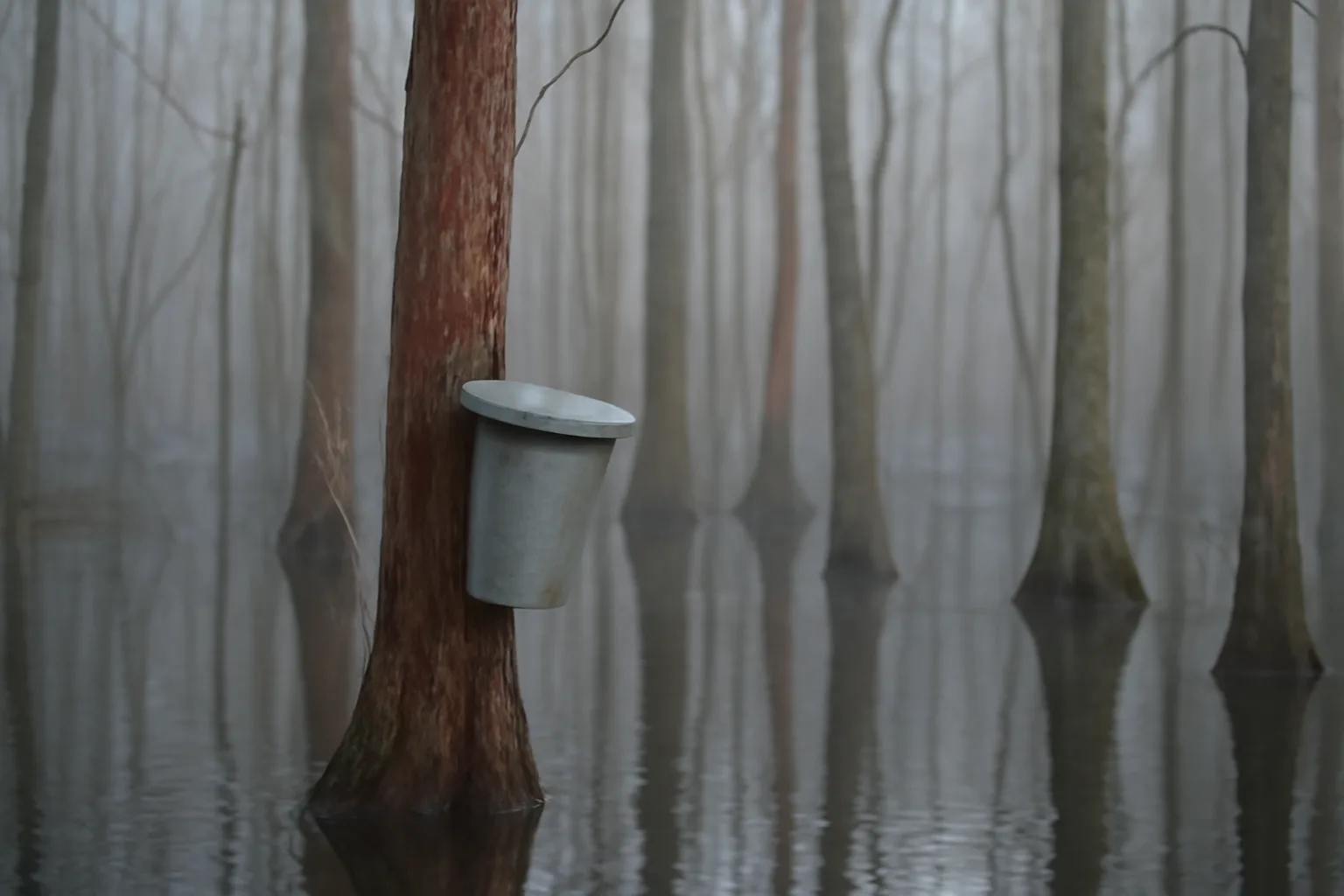
TL;DR
You cannot run a Vermont-style sugarbush in Florida. No state sugarbush license exists, sugar maple grows outside its native range here, and USDA reports no Florida crop. Home taps need no food permit. Sales go through cottage food (cap $250,000 if you qualify) or a FDACS food permit, plus Sunbiz and tax filings. Confirm forms with FDACS. Do not budget for a real sap season.
Can you actually start a sugarbush in Florida?
No. Not a commercial maple woods the way New England means the word. Florida has no listed maple crop, sugar maple grows outside its native range, and you do not get a reliable freeze-thaw sap run anywhere in the state. You can tap a native red maple on a rare cold snap, bottle syrup you bought up north, or run a small food business. None of that is a sugarbush.
A sugarbush is a stand of maples managed for sap. In Vermont that means sugar maple, vacuum lines, and a sugarhouse that runs for weeks each spring. A sugarbush Florida search turns up kits and wishful blogs. It never turns up a state maple board or a production report with your county on it. USDA NASS does not list Florida among U.S. maple syrup producing states in its annual Maple Syrup report. [9]
Sugar maple (Acer saccharum) is a northern and Appalachian tree. The U.S. Forest Service silvics account puts the native range from the Maritimes and the Lake States south through the Appalachians to northern Georgia and Tennessee. Florida sits below all of it. [7] The USDA PLANTS profile for Acer saccharum matches that northern map. [6]
What Florida does have is red maple (Acer rubrum). UF/IFAS treats it as a native that handles wet sites and shows up in swamps, floodplains, and urban yards. [8] People tap red maple in Michigan and Maine. In Tampa the tree is still a red maple, and the weather is still not a sap season.
I would not buy Florida timber to make maple syrup. The land bill dwarfs any jar you boil. If you want a maple label, pack northern syrup under Florida food law. If you want woods, plant for shade and stop forcing the word sugarbush onto a cypress slough.
Do you need a license for sugarbush in Florida?
No. Florida does not issue a sugarbush license, a maple producer license, or a tap quota. Home use of sap from your own trees needs no state maple permit. Selling syrup is a food problem, not a forestry license problem. Confirm current food forms with the Florida Department of Agriculture and Consumer Services (FDACS). Confirm local business tax with your county tax collector.
People mix up four different papers. A cottage food operation that stays inside the statute can skip the regular food permit in s. 500.12. Florida Statute 500.80 says a cottage food operation "is exempt from the permitting requirements of s. 500.12 if the cottage food operation complies with this section and has annual gross sales of cottage food products that do not exceed $250,000." [1] That is a sales cap and a rule set, not a maple license.
If you do not fit cottage food, you look at a food permit under s. 500.12. That statute is the general Florida food permit for food establishments. [2] FDACS runs that program. I will not quote a fee or a processing clock here. Those change. Confirm both with FDACS before you buy an evaporator.
Ordinary business paper still applies once you sell. Most people file a Florida LLC on Sunbiz, and many also file a fictitious name if they trade under a brand that is not the legal entity name. [5][13] Counties and cities may levy a local business tax under chapter 205. The statute lets a county levy that tax for the privilege of engaging in business. It does not create a maple category. [4]
If you only tap for your pancake griddle, stop reading and go boil. You do not need Sunbiz, FDACS, or a county receipt. The moment money changes hands, treat it as food and tax. MapleSyrupPath is an independent publisher, not a law firm and not a permitting shop. Read the statute. Then call the board that actually stamps the form.
What trees can you tap in Florida, if any?
Red maple is the honest answer. Sugar maple is not a Florida native, and you should not plan a stand of it for sap. UF/IFAS describes red maple as a Florida native used in wet landscapes. [8] That is a street and swamp tree here, not a sugar bush.
Tapping works when wood freezes at night and thaws by day. Ohio State's beginner maple fact sheet puts the weather rule in plain words: sap movement needs nights below freezing and days above freezing. [11] North Florida gets a few of those nights in some Januaries. Central and south Florida mostly do not. A week of 38 degree nights in Tallahassee is not a crop. It is a curiosity.
Plant hardiness does not save you. The USDA Plant Hardiness Zone Map puts most of Florida in warm zones, with the peninsula well into 9 and 10 and only the western panhandle cooler. [12] Sugar maple wants a real winter. You can keep a specimen alive in a shaded north Florida yard with water and luck. You will not get a commercial sugar content run off it.
Other "syrup" talk you will hear is a distraction. Sweetgum, palm sap, and sorghum are different products with different food identities. If you bottle something and call it maple, federal identity law still cares. Maple syrup is a named food. Do not relabel boiled sweetgum as maple.
I would tap a mature red maple on my own high ground only as a weekend experiment after a hard freeze, with a cheap spile, and with no sales plan attached. I would not punch wet-site trees in a cypress dome for content. Those trunks already live a hard hydrological life.
How much does sugarbush cost in Florida?
A real Florida "sugarbush" costs you almost nothing beyond curiosity, or it costs what a food packing business costs, not what woods cost. There is no honest per-tap revenue model for the state. USDA does not publish a Florida maple yield you can underwrite. [9] Anyone selling you a 1,000-tap pro forma for Leon County is selling a story.
Paper costs that actually exist are small. Florida LLC articles of organization cost $125 to file with the Division of Corporations. [5] A fictitious name filing is a separate Sunbiz product if you need a DBA. Confirm the current fictitious name amount on the Division's e-file page before you pay. [13] Sales tax registration with the Florida Department of Revenue comes with selling tangible goods. The state sales tax rate is 6 percent, and local surtaxes stack on top. [10] Local business tax, if your county still levies one, is set locally. Confirm that number with the tax collector. Do not use a blog fee from 2018.
Food permit costs sit with FDACS if you are not cottage food. I am not going to invent the current permit price or a surcharge. Confirm with FDACS. Cottage food, if you qualify, has no s. 500.12 permit. You still pay for jars, labels, a kitchen that matches the statute, and the time to do labels right. [1]
Equipment is where people light money on fire. A few spiles and food-grade buckets are cheap. A commercial evaporator, vacuum pump, and reverse osmosis skid are not. Those tools pay off on a long sap season. Florida does not have one. I would rather spend $129 on a hobby tap, pan, and grade kit and learn what a boil smells like than finance a used Vermont rig that sits under a tarp in August.
Land is the large number, and it is the wrong number. North Florida hardwood and wetland tracts are priced as hunting land, pine, or development residual. They are not priced as sap flow. Agricultural classification can cut the tax bill if you already have a bona fide farm. A dozen taps will not get you there. More on that below.
If your real plan is a maple brand, budget like a packer. Bulk syrup from a producing state, an inspected room if cottage food does not fit, bottles, labels, insurance, and a sales tax account. That can be a few thousand dollars at the small end or much more if you build a commissary. Nobody has a clean public dataset for "startup maple packer in Florida." The closest honest inputs are the Sunbiz fees, the cottage cap, and whatever quote your copacker gives you this month.
How long does sugarbush take in Florida?
The woods part does not take a season because the season barely exists. If a freeze-thaw window shows up in the panhandle, it lasts days, not the multi-week runs northern producers plan around. [11] You cannot put "first sap" on a calendar and tell a lender.
The paper part is faster than people fear and slower than Instagram. A Florida LLC can be filed online on a business day. I will not promise a clock. Sunbiz load and rejected filings happen. Confirm current processing language on the e-file page. [5] A fictitious name is a separate filing. Sales tax setup runs through the Department of Revenue. [10] A county business tax receipt, where it exists, is a local counter or portal. Stack those and you are talking days to a few weeks of adult errands, not a year, if your file is clean.
A FDACS food permit is the open-ended item. Inspections, kitchen plans, and water tests (if they ask) do not run on your preferred weekend. Confirm the current checklist and any timing language with FDACS. No approval guarantee. Cottage food is quicker on paper because you are exempt from the s. 500.12 permit when you stay inside s. 500.80. You still need labels and a sales method the statute allows. [1][2]
Trees are the long pole if you think you will plant sugar maple and wait. Even in Vermont, a planted sapling is not a tap list. In Florida that wait is wasted. Existing mature red maples on your deed are the only trunks I would even consider, and only after a real freeze.
Compare that with a state that actually has a crop. How to start a sugarbush in Vermont runs on a different clock: woods, tubing, and a sugarhouse you use every year. Florida is a food-pack clock or a hobby weekend. Do not blend the two in your head.
Is maple syrup cottage food in Florida, or do you need a food permit?
It depends on the product, the kitchen, and how you sell, and you should get that in writing from FDACS before you print labels. Cottage food is a statutory box, not a vibe. Section 500.80 exempts a qualifying cottage food operation from the s. 500.12 permit when annual cottage food sales stay at or under $250,000 and the rest of the section is met. [1] FDACS runs the cottage food program and the product expectations that sit under that statute. Confirm whether your exact syrup, packaging, and sales channel are on the current allowed list. [15]
I will not tell you maple syrup is automatically cottage food. Honey is a common cottage item. Maple is a low-moisture syrup with a federal identity standard, but FDACS still decides how it treats your jar. If they say no, you need a food establishment permit and an inspected premises. [2] If they say yes, you still label as cottage food and keep the sales ledger honest.
Wholesale, interstate shipment, and anything that looks like a factory pushes you out of the cottage box. Pack maple syrup as maple syrup and federal identity applies. The eCFR maple syrup standard says the food is the liquid derived by concentration of maple sap and is "not less than 66 percent soluble solids derived solely from maple sap." [14] Watered syrup, blended table syrup, and "maple flavored" corn syrup are different labels. Do not get cute.
Home use is boring and legal. Boil your own sap, keep it in your fridge, feed your kids. The state does not want a form for that. Selling at a market, a website, or a roadside table is the line. Cross it on purpose, with the right statute in front of you.
What business paperwork do you file if you sell syrup in Florida?
File a business entity if you want liability separation, then tax accounts, then food permission. That order saves you from printing labels with a name you do not own.
Most small sellers form a Florida LLC. Articles of organization cost $125 on the Division of Corporations e-file system. [5] You will also file an annual report later. Confirm the current annual report amount on Sunbiz. I am not going to lock a renewal fee in this article. If you sell under a short brand that is not the LLC's legal name, look at a fictitious name registration. That is a separate Sunbiz product. [13]
Sales tax is not optional on retail jars. Register with the Florida Department of Revenue. The statewide rate is 6 percent. Local governments can add a discretionary sales surtax. [10] Collect on the delivered location rules the Department publishes, not on a guess.
Ask your county tax collector whether a local business tax receipt still exists for your activity. Chapter 205 lets counties levy that tax. Some places still do. Some have cut it back. The statute is permission for the county, not a statewide maple card. [4]
Food paper sits beside all of that. Cottage food if you qualify. FDACS food permit if you do not. [1][2][15] If you ever ship wholesale across state lines from a facility, federal food facility registration becomes its own conversation with FDA. Stay local and tiny at first if you can. Complexity is how hobby syrup turns into a second unpaid job.
I would not form a corporation on day one for a dozen jars. I also would not sell from a personal Venmo named "Florida Gold Drops" with no tax account. Pick a lane.
Will Florida property tax treat a few taps as agriculture?
Almost certainly not. Agricultural classification in Florida is for land used primarily for bona fide agricultural purposes. The statute is blunt. Section 193.461 says "only lands that are used primarily for bona fide agricultural purposes shall be classified agricultural." [3] A backyard red maple with two spiles is not a farm.
County property appraisers decide bona fide use. They look at scale, history, and whether you are actually in the business of agriculture. Timber, cattle, groves, and nurseries are the fact patterns they see every week. A sugarbush with no sap season is a weak file. If you already have classified timber or pasture, hanging a tap on a maple at the creek line does not change the parcel. It also does not create a new classified use by itself.
Do not buy land on the story that maple will cut your tax bill. If you want agricultural classification, build a real agricultural use the appraiser already understands, then confirm the application window with that office. No timing promise. No outcome promise.
Building a "sugarhouse" in a wetland to chase a vibe can create a worse paper problem than property tax. Wetland fill and stormwater rules are a different agency stack. Tapping a tree that is already there, on high ground you already own, is not dredge and fill. Pouring a slab in a floodplain might be. Walk the site with someone who reads water maps before you order block.
Should you import sap, pack bulk syrup, or pretend you have a crop?
Pack bulk syrup if you want a product. Hauling raw sap across the country to boil in Florida is a food-safety and freight joke. Sap is heavy, spoils warm, and wants to be boiled near the trees. Pretending Jackson County just had a bumper run is how you get a labeling problem.
If the jar says maple syrup, the solids need to come from maple sap and meet the 66 percent soluble solids identity standard. [14] Buying graded syrup from a producing state and packing it in an inspected Florida room (or under cottage food, if FDACS says your process fits) is a real micro-business. Buying table syrup and slapping a cabin on the label is a short path to a bad letter.
I would price freight and a copacker before I priced land. A drum of syrup from a northern producer plus Florida labels is a known pattern in specialty food. A thousand taps on red maple in a swamp is not. If you want the woods craft, go north for a season. Read the Vermont license path and the Alabama start guide before you assume the Gulf Coast is "almost the same." It is not.
Arizona and California have the same honesty problem Florida has, just with different trees. If you like comparing dead ends, the Arizona start guide and the California start guide will feel familiar. Arkansas is closer to real maple country than we are, and still not Vermont. The Arkansas start guide is the nearer inland comparison.
What would first-year operations look like if you still proceed?
Year one in Florida is a paperwork year and a humility year. You scout whether you even have tappable red maple on high enough ground. You watch the forecast for a real freeze. Most winters you boil nothing. That is operations here.
If you sell, year one is entity, tax, and food permission. You write a label that matches either cottage food or your FDACS permit. You keep a sales log against the $250,000 cottage cap if that is your box. [1] You do not buy 10,000 bottles.
If you insist on hobby taps, keep the kit small. Food-grade spiles, a pan you can actually clean, a thermometer, and a plan for the night the pot wants to foam over. MapleSyrupPath's $129 Tap + Evaporator + Grade Kit is the cheap end of that experiment, and it is enough. A used commercial rig is a waste of money in this climate.
Sanitation still matters when the batch is tiny. Sap is a sugar solution. Warm Florida air is not a sugarhouse in March. Chill what you collect. Boil the same day if you can. Toss anything that smells like a science fair.
Insurance is a judgment call. Homeowners policies often hate business and hate visitors. If people come to "see the sugarbush," you have a premises problem, not a maple problem. I would not run tours on a swamp dike for a product you barely make.
Record what the thermometer actually did, not what you hoped. After one winter you will know if this is a story you tell at dinner or a product line. For most Florida parcels it is dinner.
How does Florida compare to states that actually make maple?
Florida has climate and a food code. Vermont has climate, a crop, and a maple culture that shows up in production statistics. USDA's maple report is a New England and northern-tier document. Florida is absent. [9] That single gap should end most land deals.
Alabama is the comparison people want because it is next door. It is still a marginal maple state, not a twin of Vermont, but the northern counties get more winter than Orlando. If you are choosing the least-bad Gulf-adjacent woods, read the Alabama start guide and the Alabama license page before you plant a flag in Florida sand.
Vermont is the other pole. Licenses, costs, and a real season live in the Vermont start guide. Florida's "license" question is a food permit question. Vermont's is a maple question plus food. Do not copy a northern equipment list onto a panhandle lot and call it due diligence.
| Topic | Florida | Vermont (real crop states) |
|---|---|---|
| Native sugar maple range | Outside the silvics range [7] | Inside the core range |
| USDA NASS maple production | Not listed [9] | Reported every year |
| Standalone sugarbush license | None | Maple-specific rules exist; see the Vermont guides |
| Typical sap weather | Rare freeze-thaw [11] | Annual freeze-thaw runs |
| Main legal path if you sell | Cottage food or FDACS food permit [1][2] | State maple plus food rules |
| Honest first-year spend | Paper plus a tiny kit, or a packing setup | Woods, tubing, evaporator, sugarhouse |
If your family is in Florida and the hobby is tapping, keep it a hobby. If your family wants a maple business, move the boil north or buy syrup from people who already live on the right side of that table.
What would I actually do, and what is a waste of money?
I would not start a sugarbush in Florida. I would either pack purchased maple under a clean label or spend my woods budget on something this climate can grow. That is the unromantic answer, and it saves you a decade.
Waste of money: commercial evaporators, vacuum tubing, RO machines, "maple tour" signage, sugar maple seedlings sold as a crop, and any consultant who prices your swamp like a Vermont mountainside. Waste of money: chasing agricultural classification with a photo of two buckets. Waste of money: building a timber-frame sugarhouse for a season that does not arrive.
Worth doing if you are stubborn: read s. 500.80 and s. 500.12 yourself. [1][2] Call FDACS and ask about your exact jar. File the LLC only if you will sell. [5] Register sales tax if you will sell. [10] Tap one healthy red maple after a hard freeze, once, to learn. Then stop or become a packer.
Want the hobby tools in one box? The brand page at /start lists the $129 Tap + Evaporator + Grade Kit. You do not need it to understand the law. You do not need a kit at all if you have already admitted Florida is not maple country.
Confirm every variable fee and form with the board that collects it. This site is a reference, not your lawyer and not your inspector. The boards change PDFs. Your county changes portals. Pull the current page the week you file.
Frequently asked questions
Do you need a license for sugarbush in Florida?
No maple or sugarbush license exists in Florida. Home use needs no food permit. Selling syrup means cottage food rules under s. 500.80 or a FDACS food permit under s. 500.12, plus ordinary Sunbiz and tax filings if you operate a business. Confirm the current food path with FDACS and any local business tax with your county tax collector.
How much does sugarbush cost in Florida?
A hobby tap set can be pocket money. A Florida LLC is $125 to file. Cottage food has no s. 500.12 permit if you qualify. A real commercial evaporator is a waste here because there is no USDA maple crop. If you pack purchased syrup, budget like a small food brand: kitchen or copacker, jars, labels, tax, insurance. Confirm live FDACS and county fees. Land priced as a sugarbush is the expensive mistake.
How long does sugarbush take in Florida?
Sap, if it runs at all, is days after a rare freeze, not a multi-week season. Entity and tax filings can be done in ordinary business days. Confirm current Sunbiz and DOR processing language when you file. A FDACS food permit has no guaranteed clock. Planting sugar maple and waiting for a crop is the wrong timeline in this state.
Can you tap red maples in Florida?
Yes as a backyard experiment on a healthy tree you own, after a real freeze-thaw swing. Red maple is a Florida native, especially on wet sites. Sap flow still needs nights below freezing and days above. Most of the peninsula almost never gives you that pattern. Do not tap stressed swamp trees, and do not build a sales forecast on red maple in Gainesville.
Does Florida have a maple sugaring season?
Not in any commercial sense. USDA NASS does not report Florida maple production. The weather pattern that moves sap is a freeze at night and a thaw by day. North Florida may see a short window in some winters. Central and south Florida generally do not. Plan on zero gallons unless the thermometer proves you wrong.
Is maple syrup allowed as a Florida cottage food?
Maybe, if FDACS treats your exact product as a non-potentially hazardous cottage food and you stay under the $250,000 annual cottage sales cap in s. 500.80. Do not assume honey rules automatically cover maple. Ask FDACS about your process, jar, and sales channel before you sell. If they say no, you need a food permit and an inspected premises.
Can a few taps get agricultural classification on my property tax?
No, not as a serious plan. Section 193.461 limits agricultural classification to land used primarily for bona fide agricultural purposes. County appraisers look at real farming scale. Two buckets on a red maple will not carry a parcel. If you already have classified timber or pasture, a tap does not create a new maple farm.
Do I need a permit to give homemade syrup to friends?
Gifts of food you made for your own household are not a Florida maple license issue. The line is selling. If money, online listings, or a market table appear, you are in cottage food or food-permit territory. Keep the batch out of any story that looks like unlicensed retail. When in doubt, ask FDACS about the fact pattern, not a friend group chat.
What if I buy bulk Vermont syrup and bottle it in Florida?
That can be a real small food business if you label it as maple syrup, meet the federal solids identity, and use the kitchen path FDACS assigns (cottage food or a food permit). You must not imply the sap came from Florida woods if it did not. Register sales tax for retail. Confirm packing rules with FDACS before you print a cabin on the label.
Are sugar maples legal to plant in Florida?
You can plant a sugar maple as an ornamental in the cooler panhandle if the nursery stock is healthy and the site is right. It is still outside the species' native range and a poor sap bet. Heat and missing freeze-thaw make it a specimen tree, not a crop. I would spend that hole on a native that likes Florida summers.
Do I need a well permit just to boil sap?
Boiling a hobby pot on water you already have is not a new water-use project. New wells, large withdrawals, and any building in wetlands are different. Those run through water management districts and local building departments. Confirm with those offices if you are drilling or pouring a slab. Tapping an existing upland tree does not, by itself, look like a well permit.
Can I sell sugarbush tours in Florida?
You can sell a walk in your woods if zoning, insurance, and tax rules allow a visitor business. You should not sell it as a working maple season you do not have. Visitors create premises liability that a homeowners policy may exclude. A tour of two red maples and an empty pan is a branding problem waiting for a bad review.
Which Florida office do I call first if I want to sell syrup?
Call FDACS about the food path first, because that answer decides your kitchen. Then file Sunbiz if you want an entity, then the Department of Revenue for sales tax, then your county tax collector for any local business tax. Pull current forms the week you file. Nobody can honestly lock a fee or an approval date in an article.
Sources
- Florida Senate, Statute 500.80 Cottage food operations: Cottage food operations that comply with the section and stay at or under $250,000 in annual cottage food sales are exempt from s. 500.12 permitting.
- Florida Senate, Statute 500.12 Food permits: Florida requires a food permit for food establishments under s. 500.12 unless an exemption applies.
- Florida Senate, Statute 193.461 Agricultural lands classification: Only lands used primarily for bona fide agricultural purposes shall be classified agricultural.
- Florida Senate, Statute 205.032 County business tax: Florida counties may levy a local business tax for the privilege of engaging in business in the county.
- USDA PLANTS, Acer saccharum profile: Sugar maple (Acer saccharum) is profiled as a northern species and is not a Florida native crop tree.
- USDA Forest Service, Silvics of North America: Sugar Maple: Sugar maple's native range runs from eastern Canada and the Lake States south through the Appalachians, not through Florida.
- UF/IFAS EDIS, Acer rubrum Red Maple: Red maple is treated by UF/IFAS as a Florida native tree used on wet sites.
- Florida Department of Revenue, Sales and Use Tax: Florida's state sales tax rate is 6 percent, and local discretionary surtaxes may also apply to taxable sales.
- Ohio State University Extension, Maple Syrup Production for the Beginner (FOR-36): Maple sap flow depends on nights below freezing and days above freezing.
- USDA Agricultural Research Service, Plant Hardiness Zone Map: Most of Florida maps to warm USDA hardiness zones, far milder than classic sugar maple country.
- Florida Division of Corporations, fictitious name registration: A Florida fictitious name is a separate Division of Corporations filing when you do business under a name that is not the legal entity name.
- eCFR, 21 CFR 168.140 Maple syrup: Federal identity requires maple syrup to be concentrated maple sap with not less than 66 percent soluble solids from maple sap.
- FDACS, Cottage Foods program: FDACS administers Florida's cottage food program and is the agency that confirms whether a given product and sales method qualify.